Paris, one November night. A door in an old building in the heart of Saint-Germain-des-Prés, a flight of stone stairs, and then the entrance to a vast, illuminated flat that immediately gave the impression of being a private home, a place accessed by a personal invitation, a detailed address, a door code and, even more, a place dedicated to the private, domestic lives of its inhabitants.
That evening, Aalam was host of something called PRIVATT. A strange word, a trompe-loeil word, a word that seems to have been taken from the lexicon of a totalitarian regime-I'm thinking of the former GDR, of Soviet kompromat-but which could just as easily belong to a language distorted by satire; a word that sounds like the title of a play. a performance or a series of photographs, and all of these together, but a word that, I still did not know as I unfastened my coat, primarily designated the fiction I had infiltrated, where I had gone to play, like every visitor who crossed the flat's threshold.
I crossed the well-lit sitting room, where the furniture of the inhabitants, their personal objects and artifacts-amps, crockery, paintings, carpets-were brought face to face with the works Aalam had placed there, transforming the room into a brilliant, open stage, where the private welcomed the political, where the political broke into the private, where the private and the collective were constantly grappling, thinning the fragile membrane separating them. From the outset, it was as though the artist's gesture, somewhere between nimble nesting and low-key questioning, was first and foremost about disrupting our individual spaces, our comfortable habitus, as well as an invitation to allow ourselves to be intrigued-a term whose etymology, intricare, refers to that which tangles and branches out, to that which moves before our eyes, hidden, to reveal itself over time.
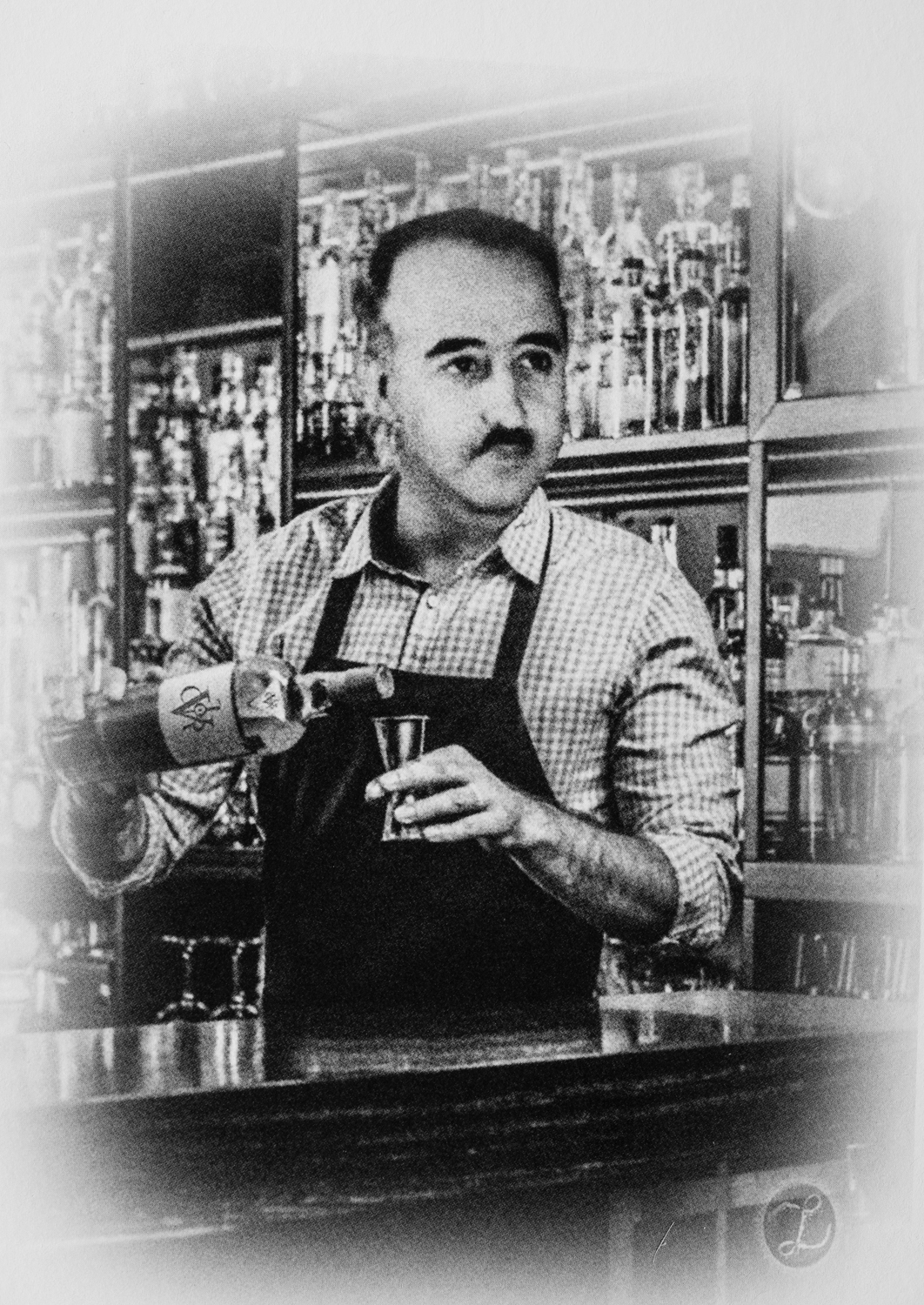
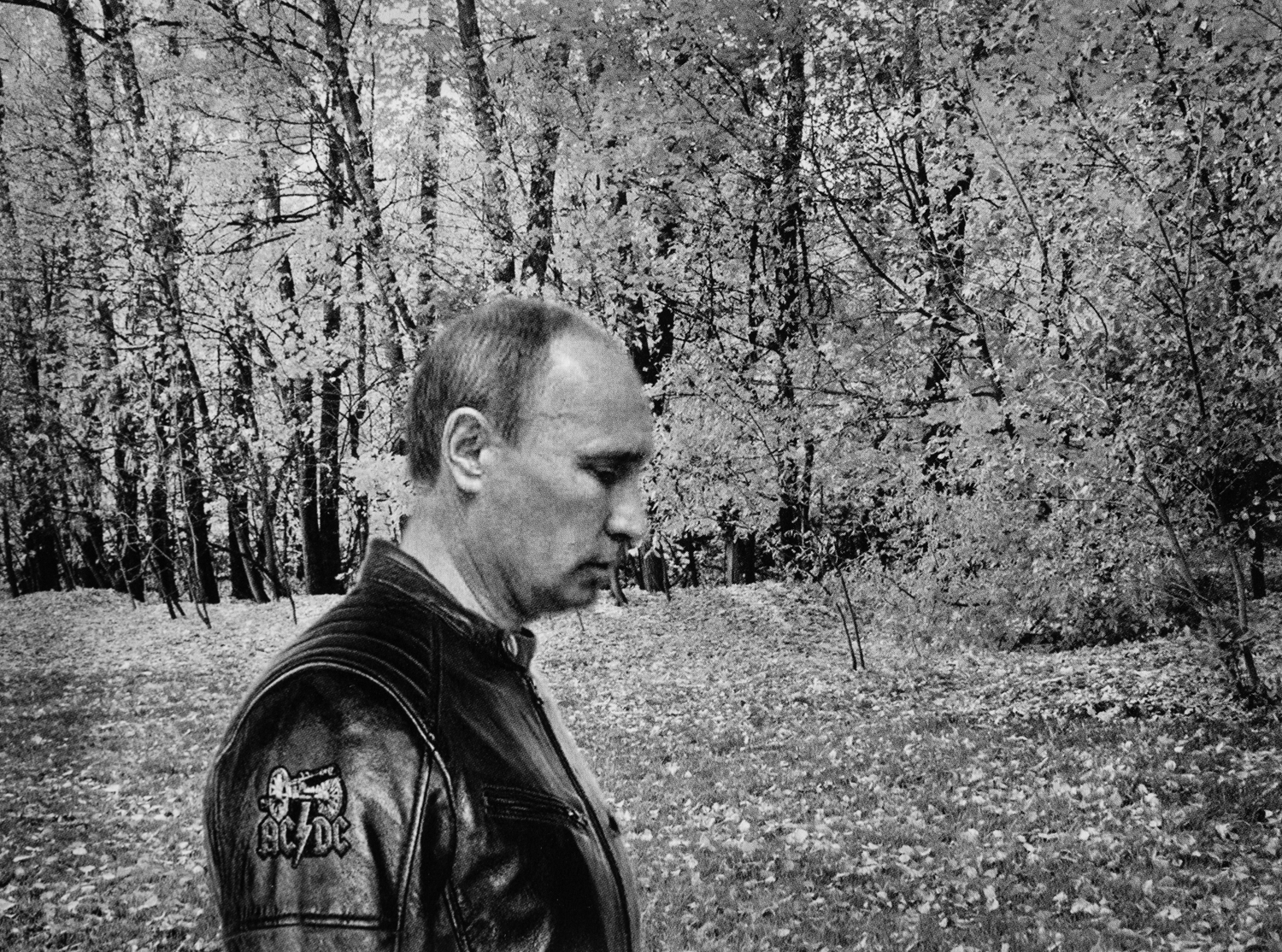
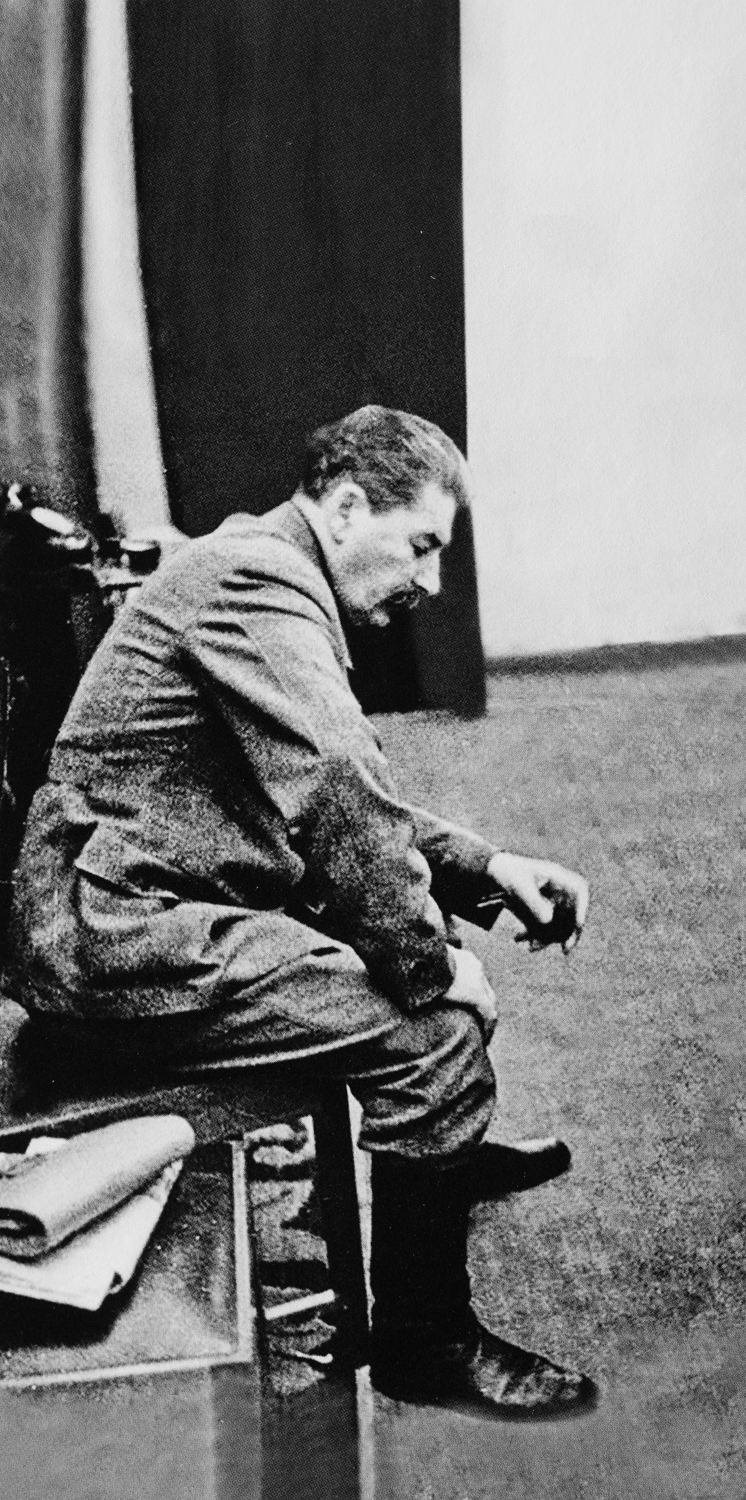
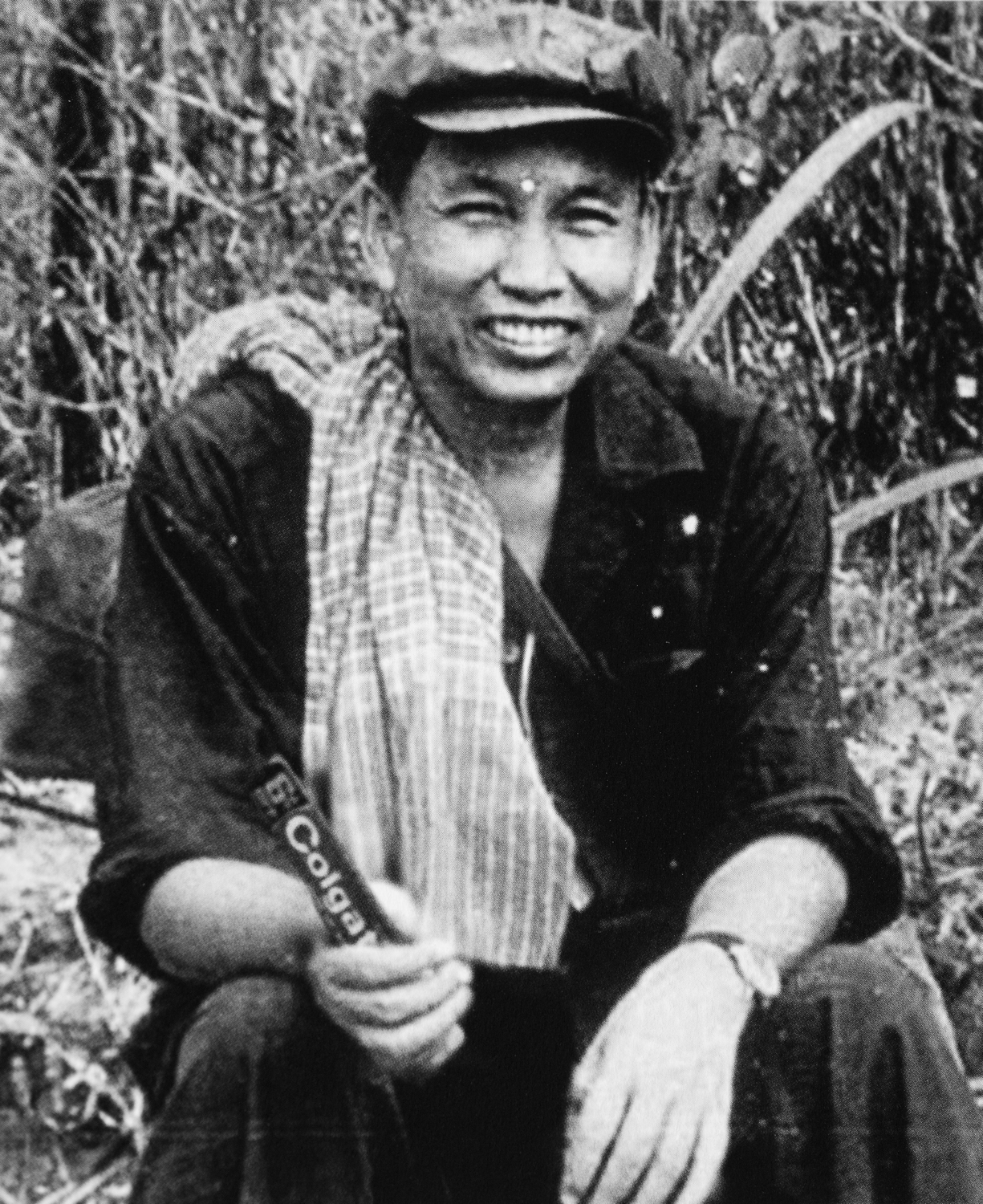
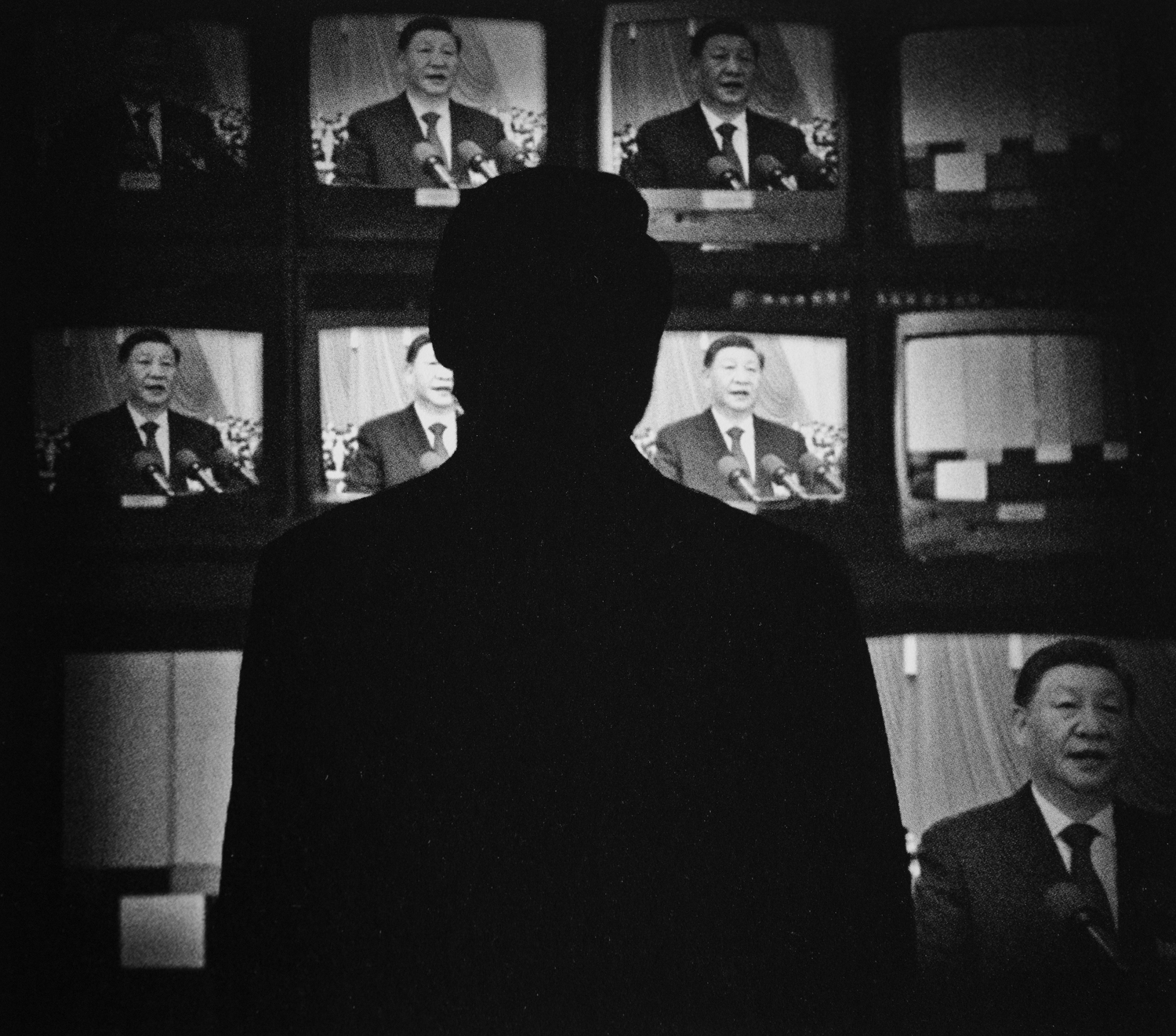
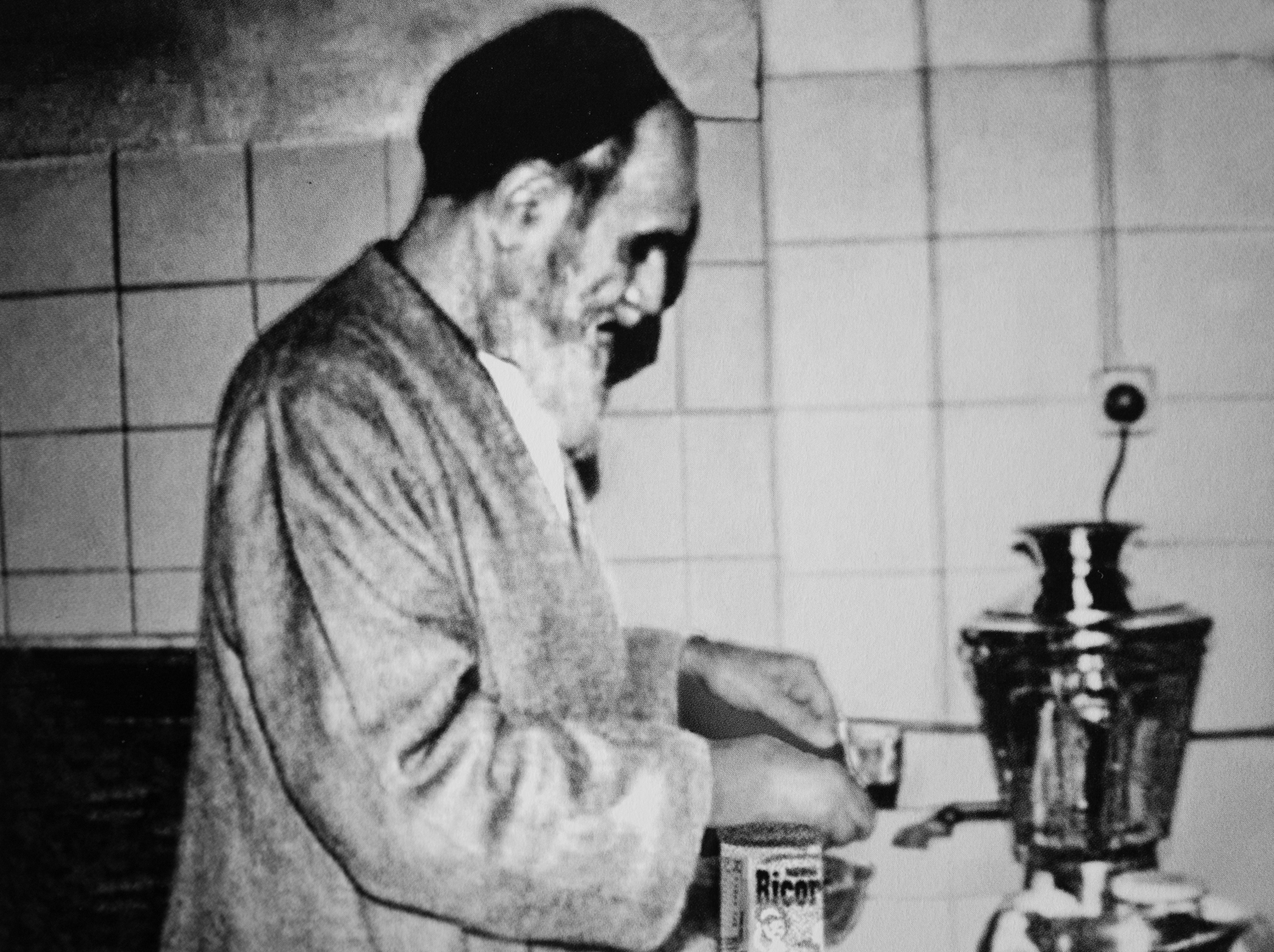
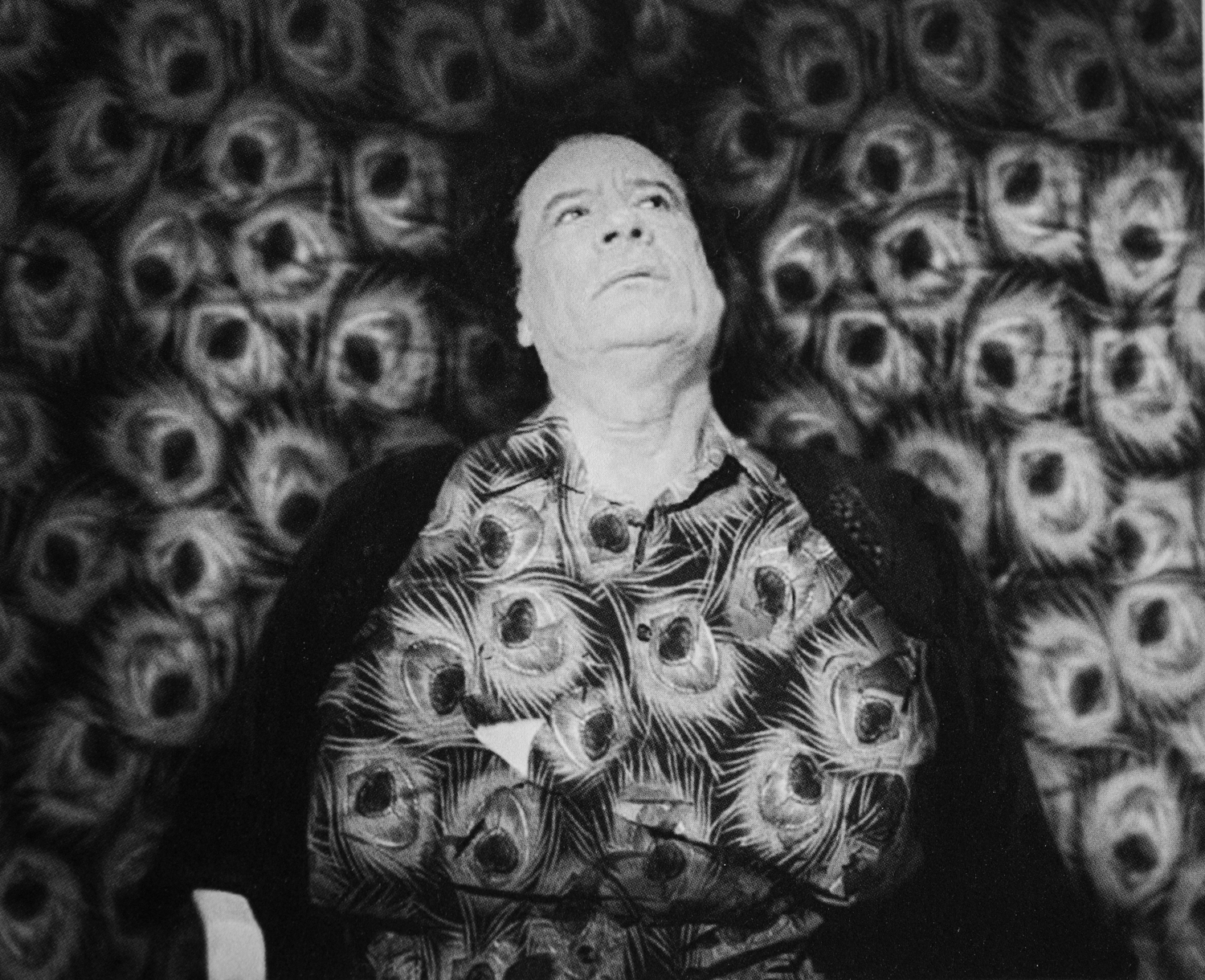
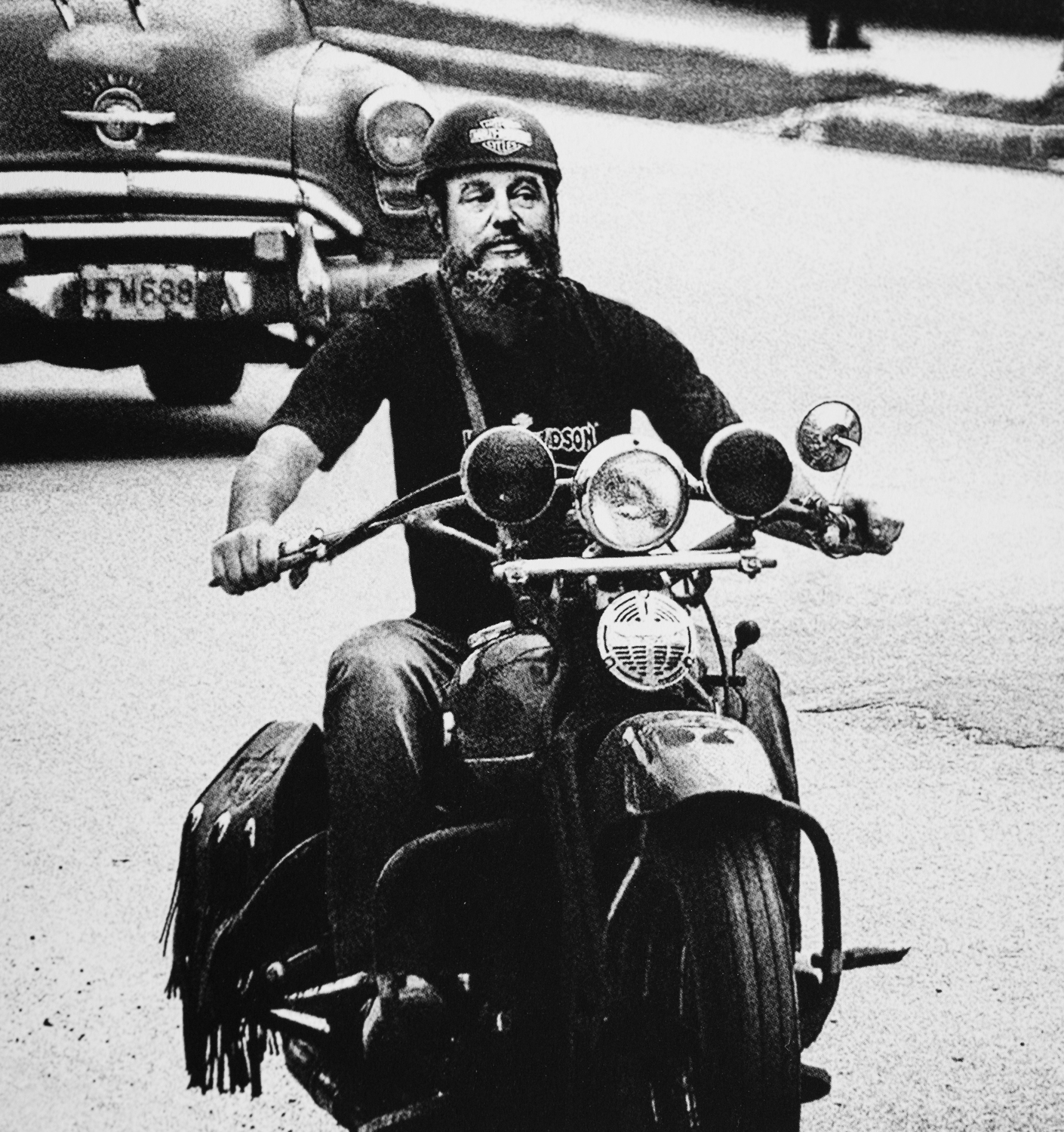
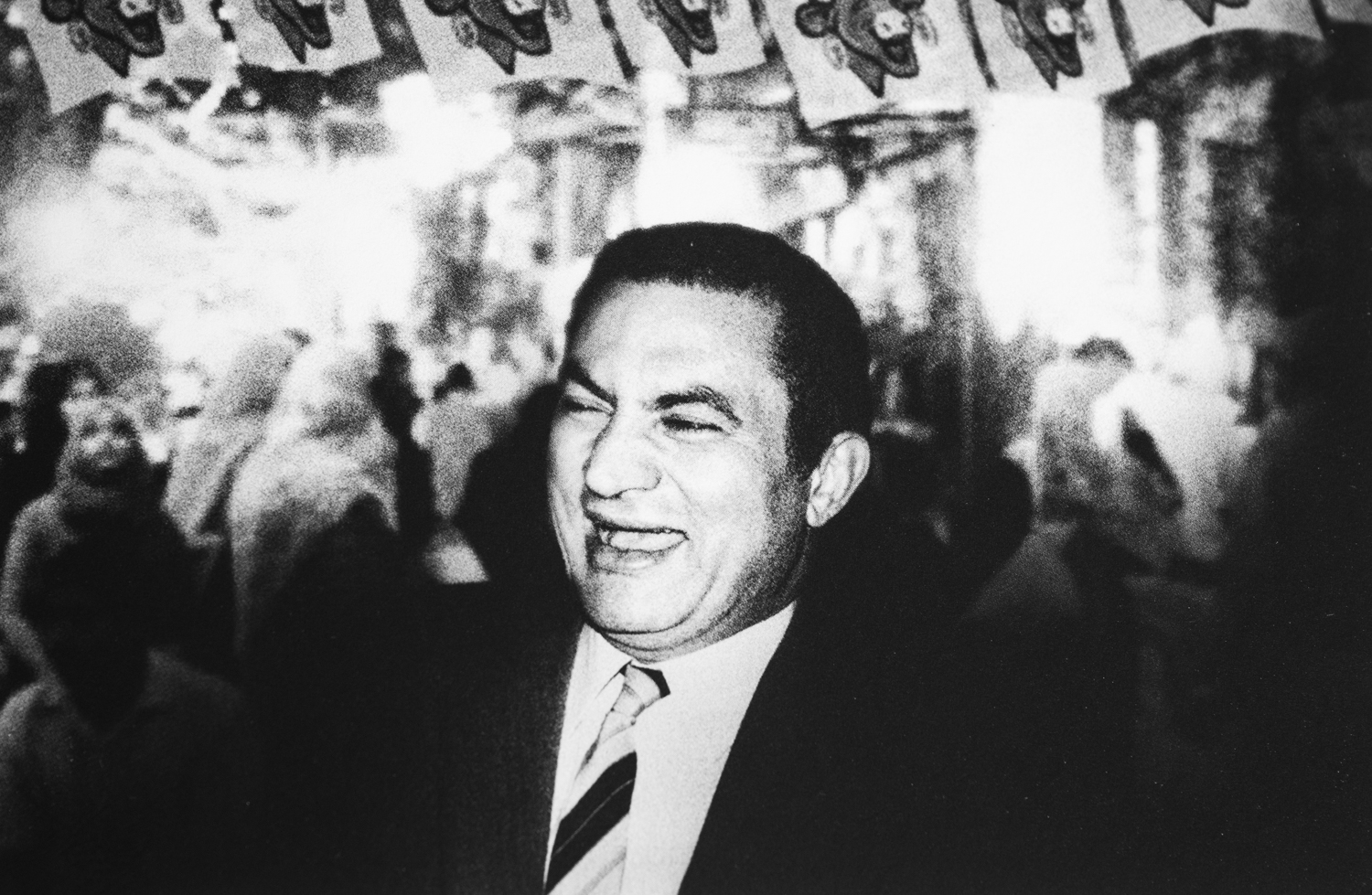
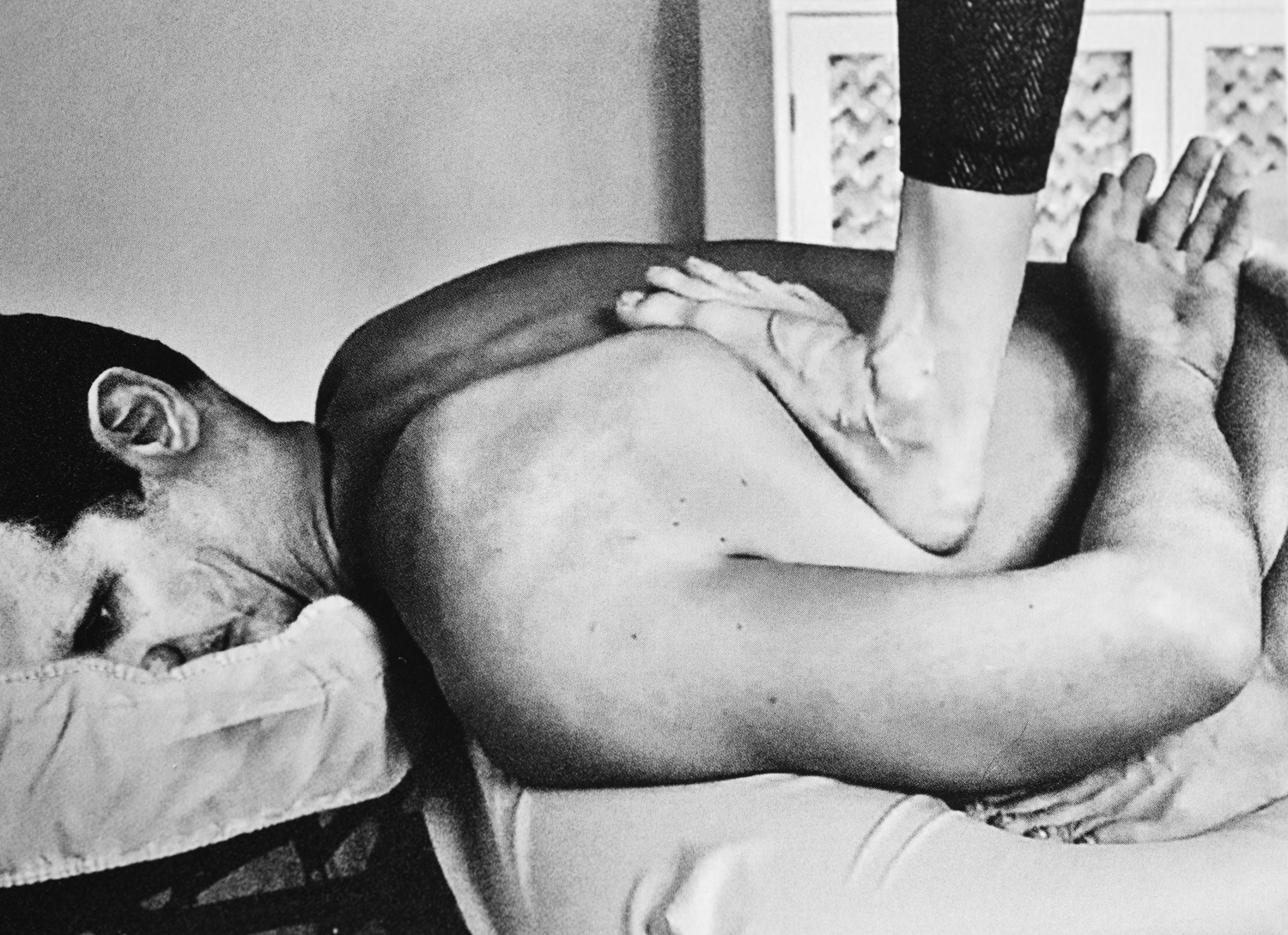
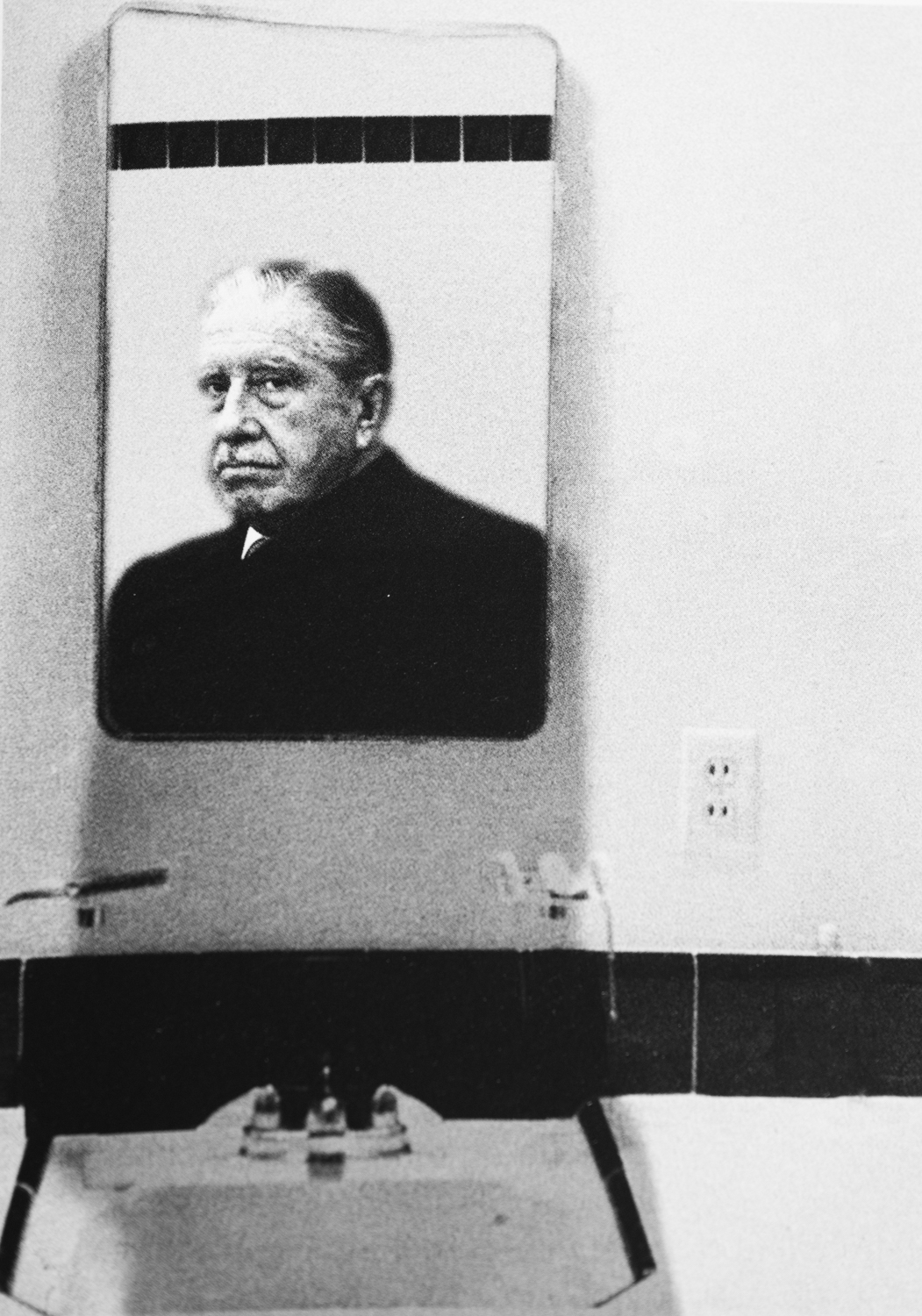
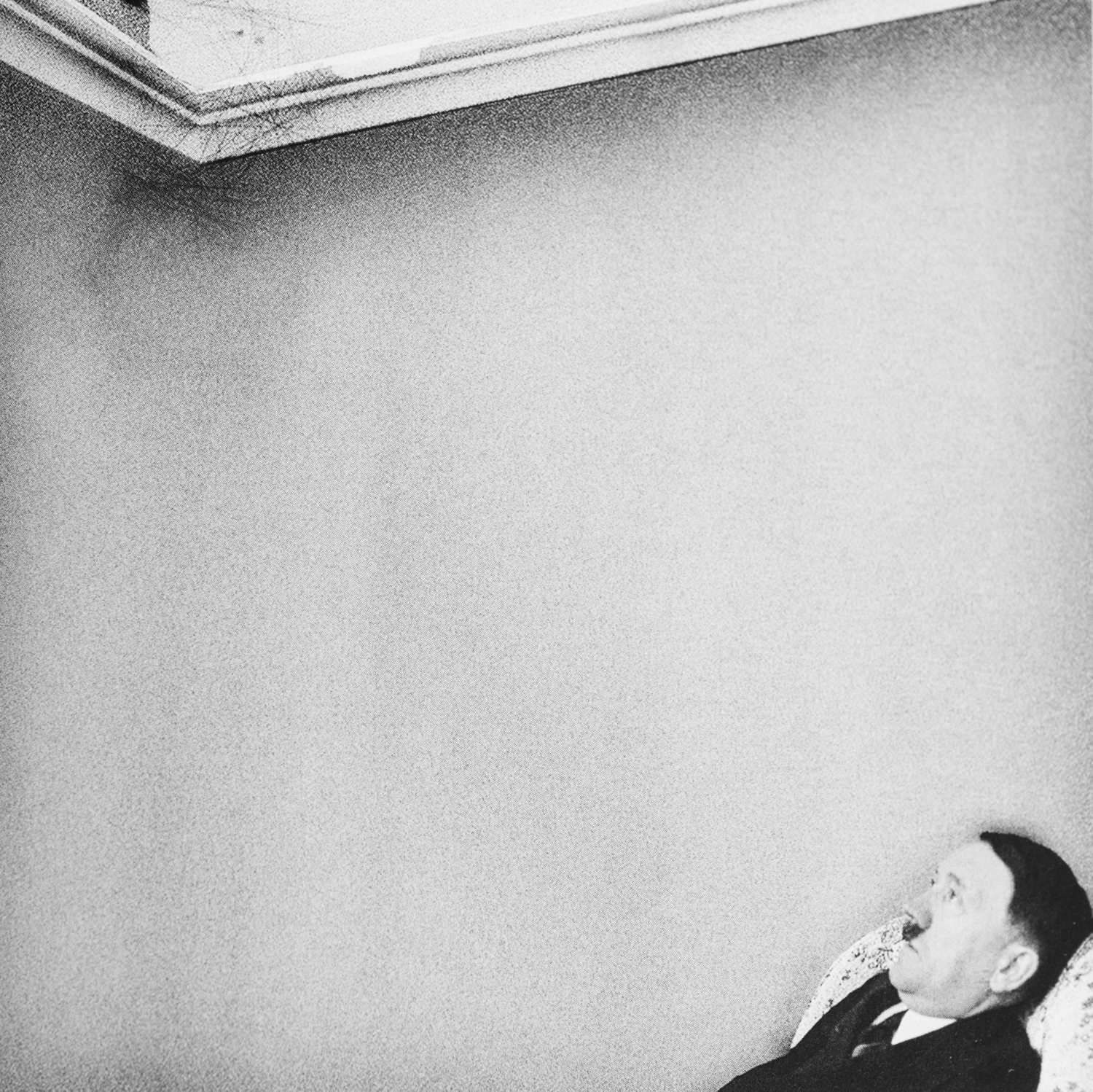
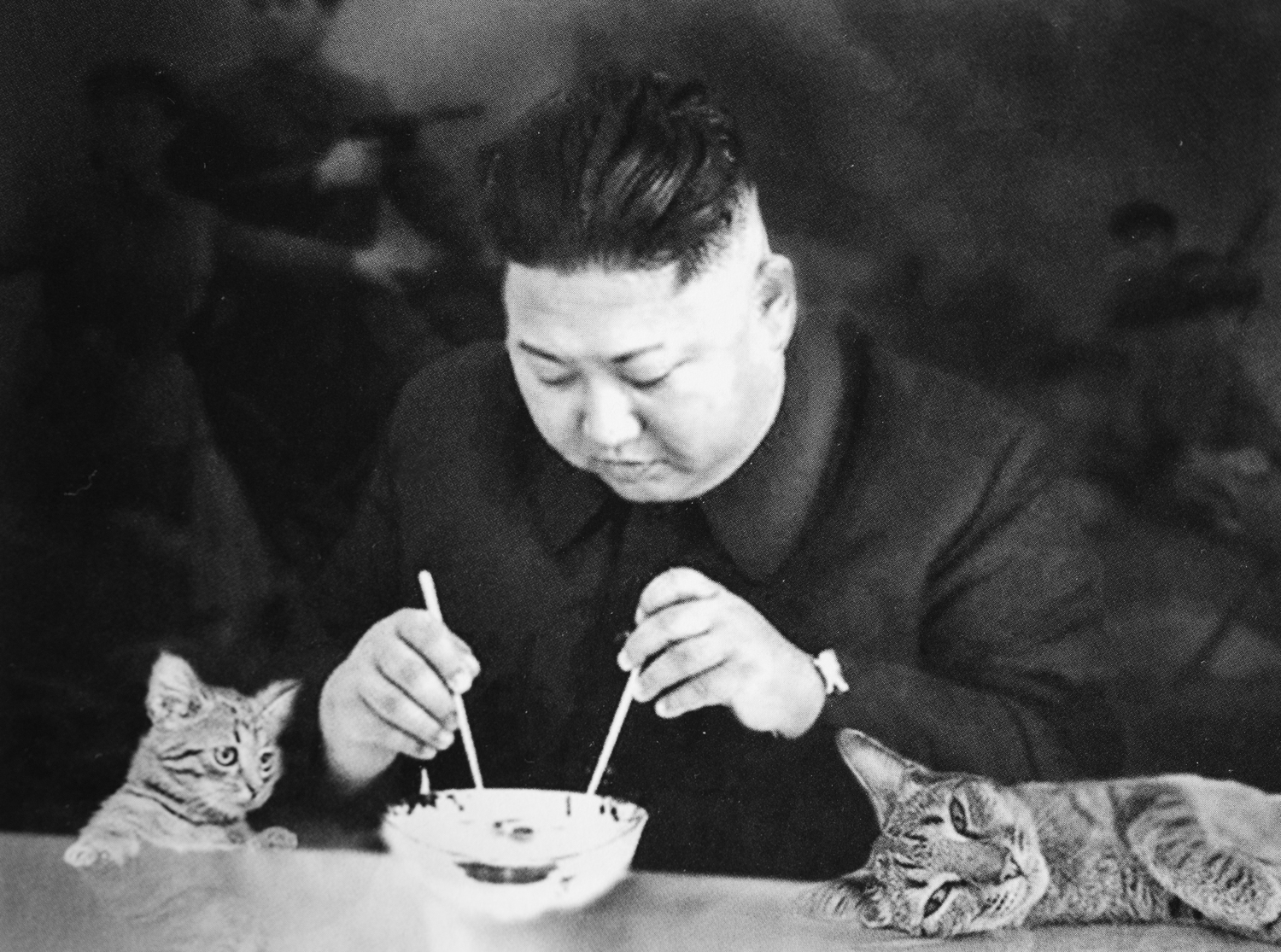
The sensation of the montage of reality was intensified further on, in the dining room, the high point of social and family commensality, the table of debates, the hearth of speech. Twenty-one photographs occupied an entire wall, a display of such density that It stood out, engaging the eye and the mind in the moment.
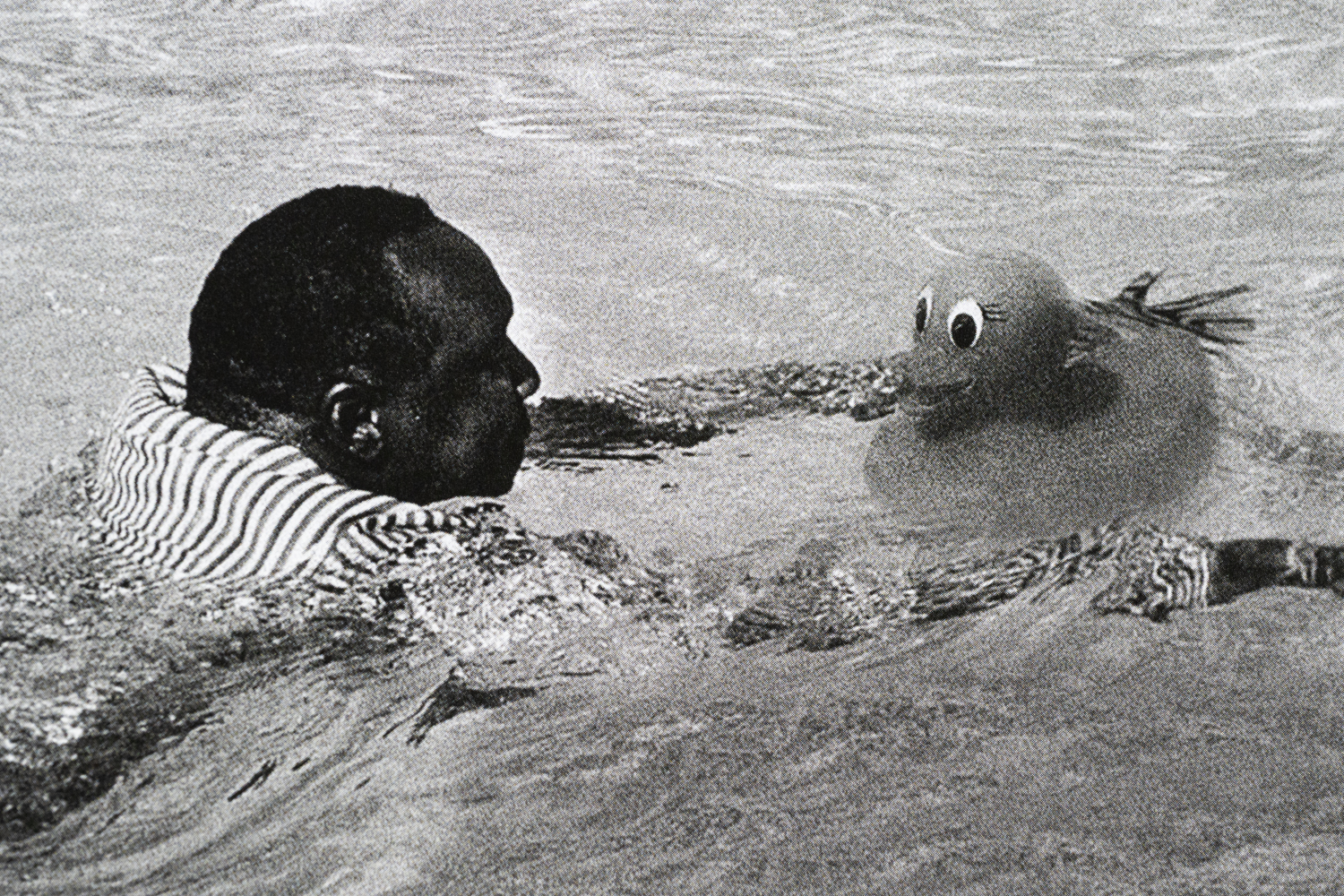
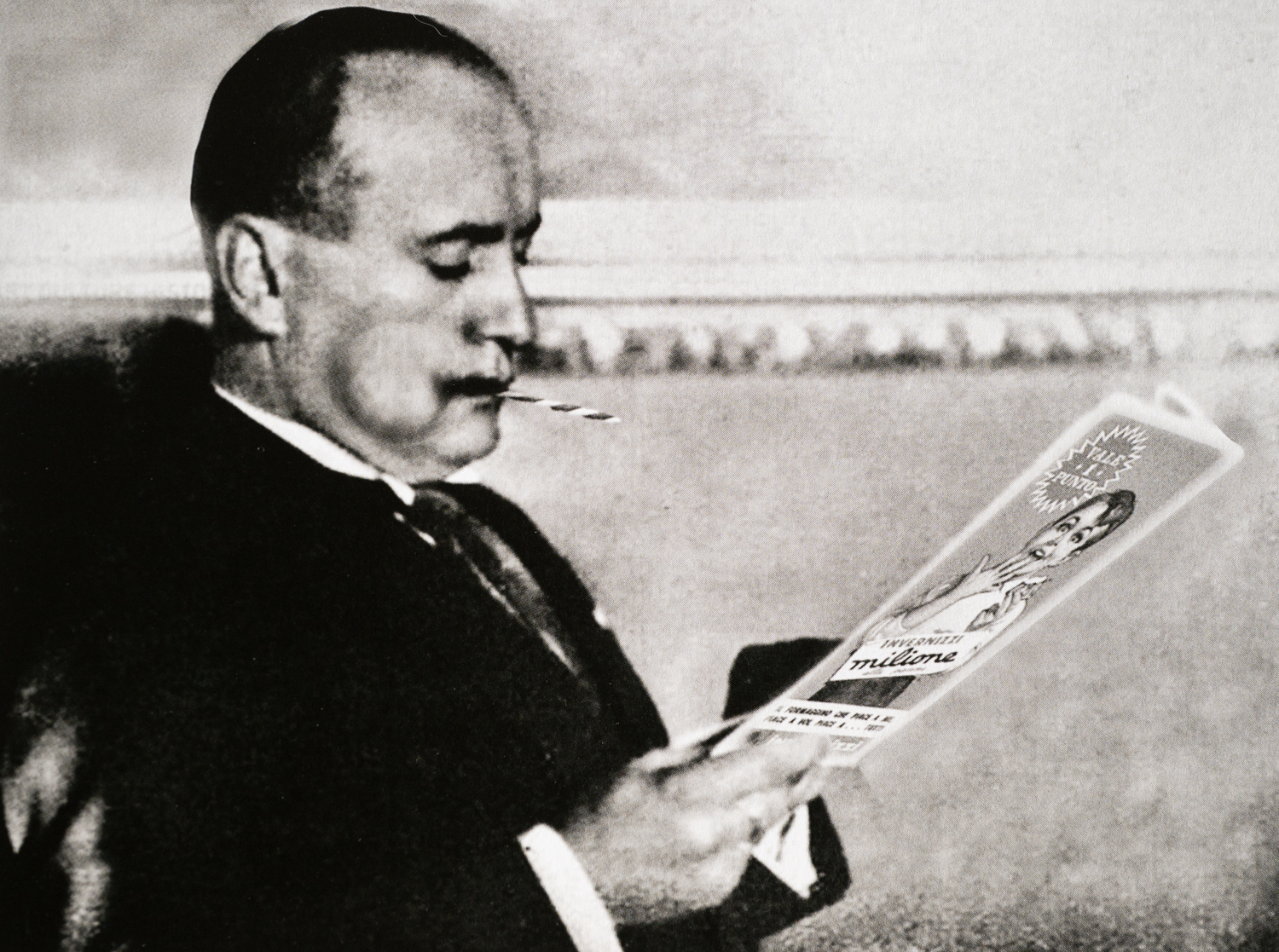
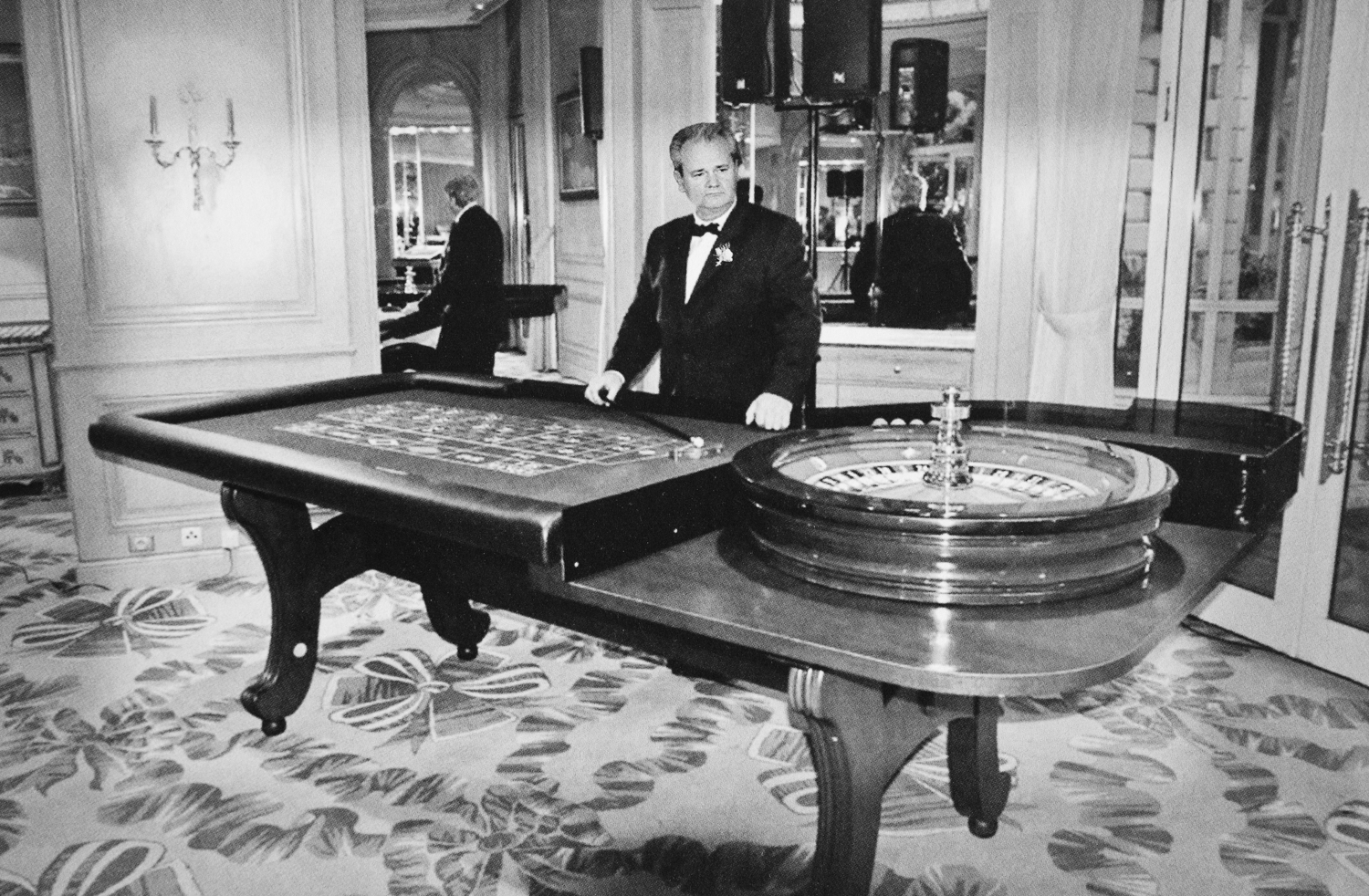
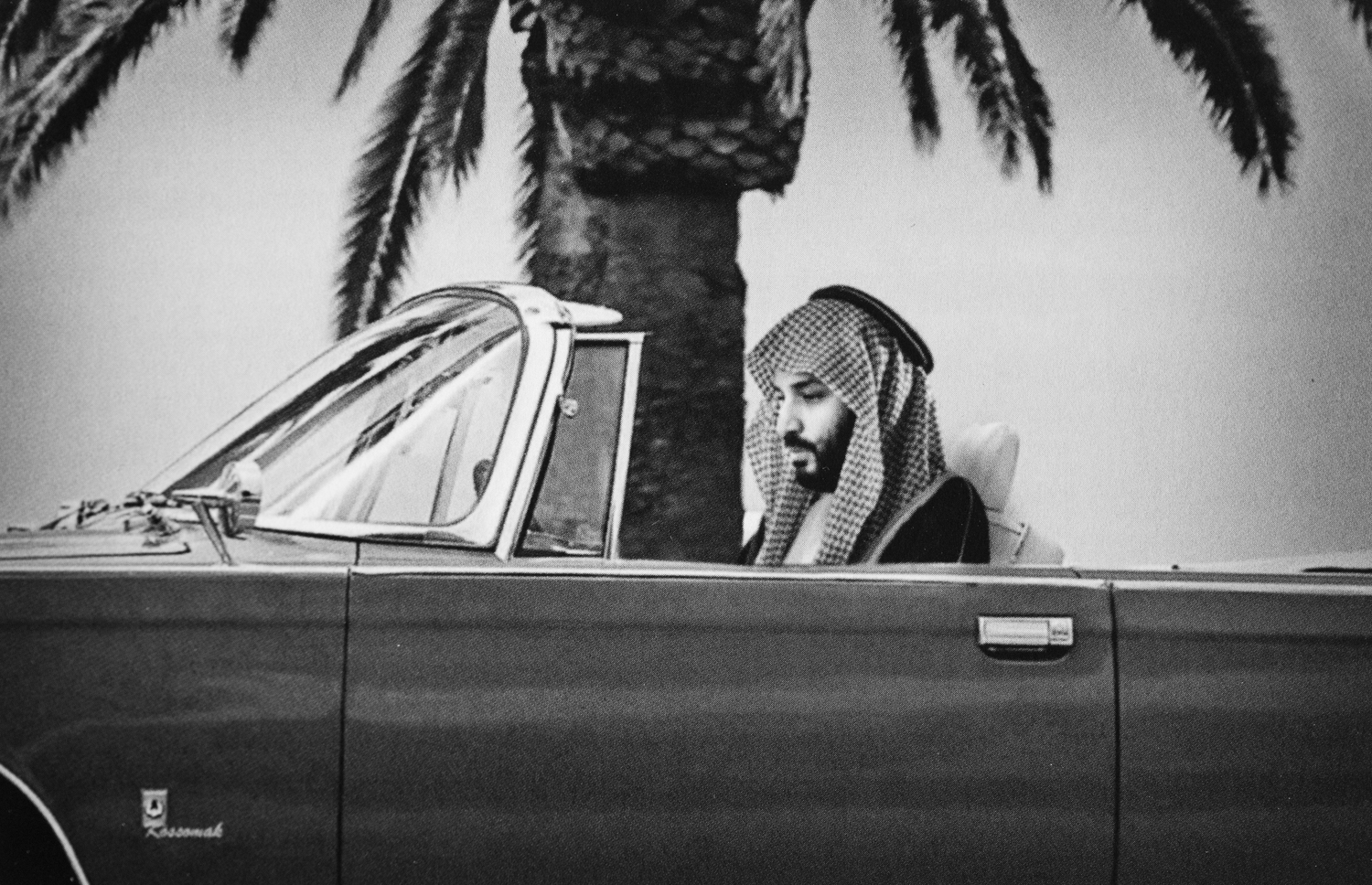
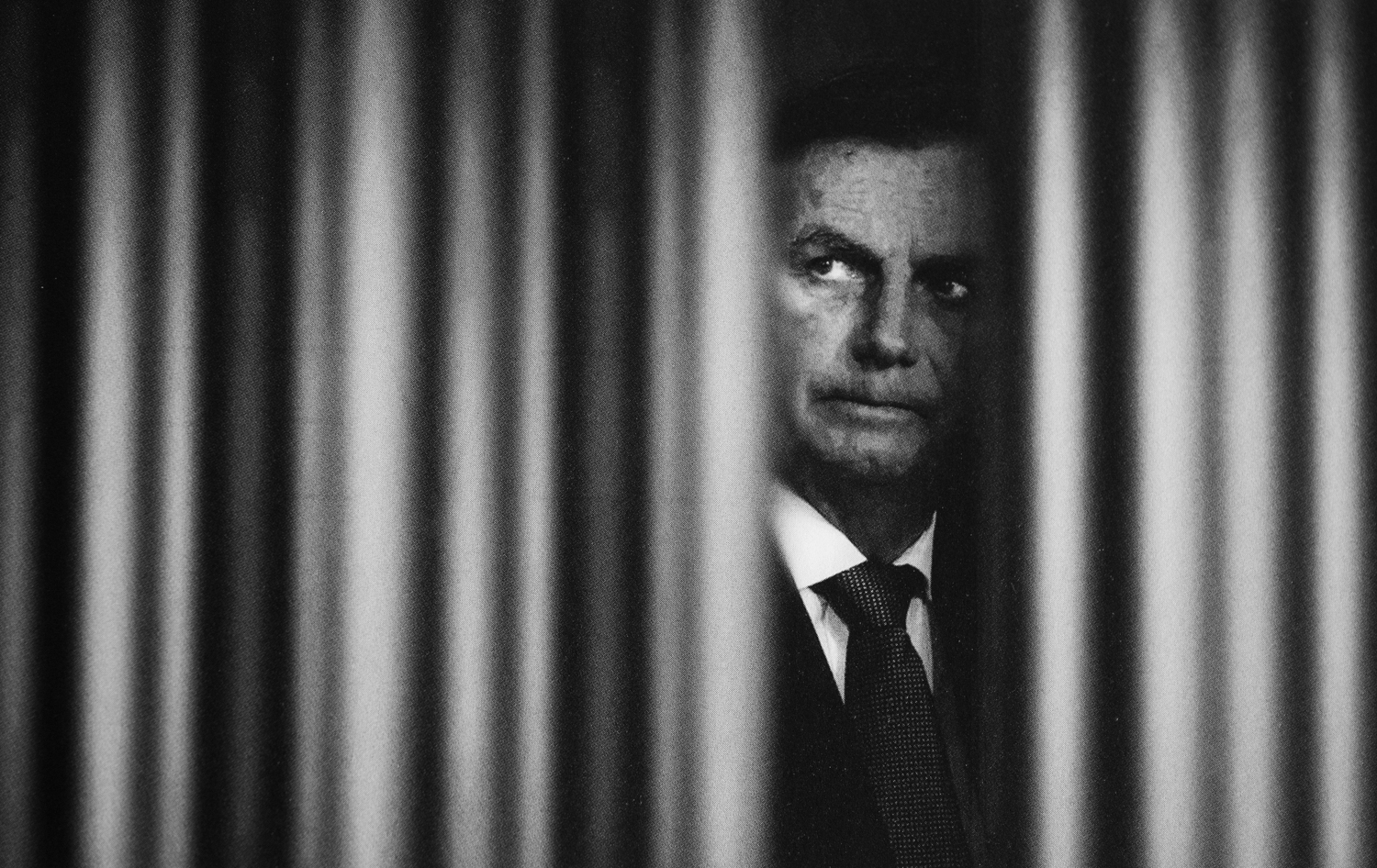
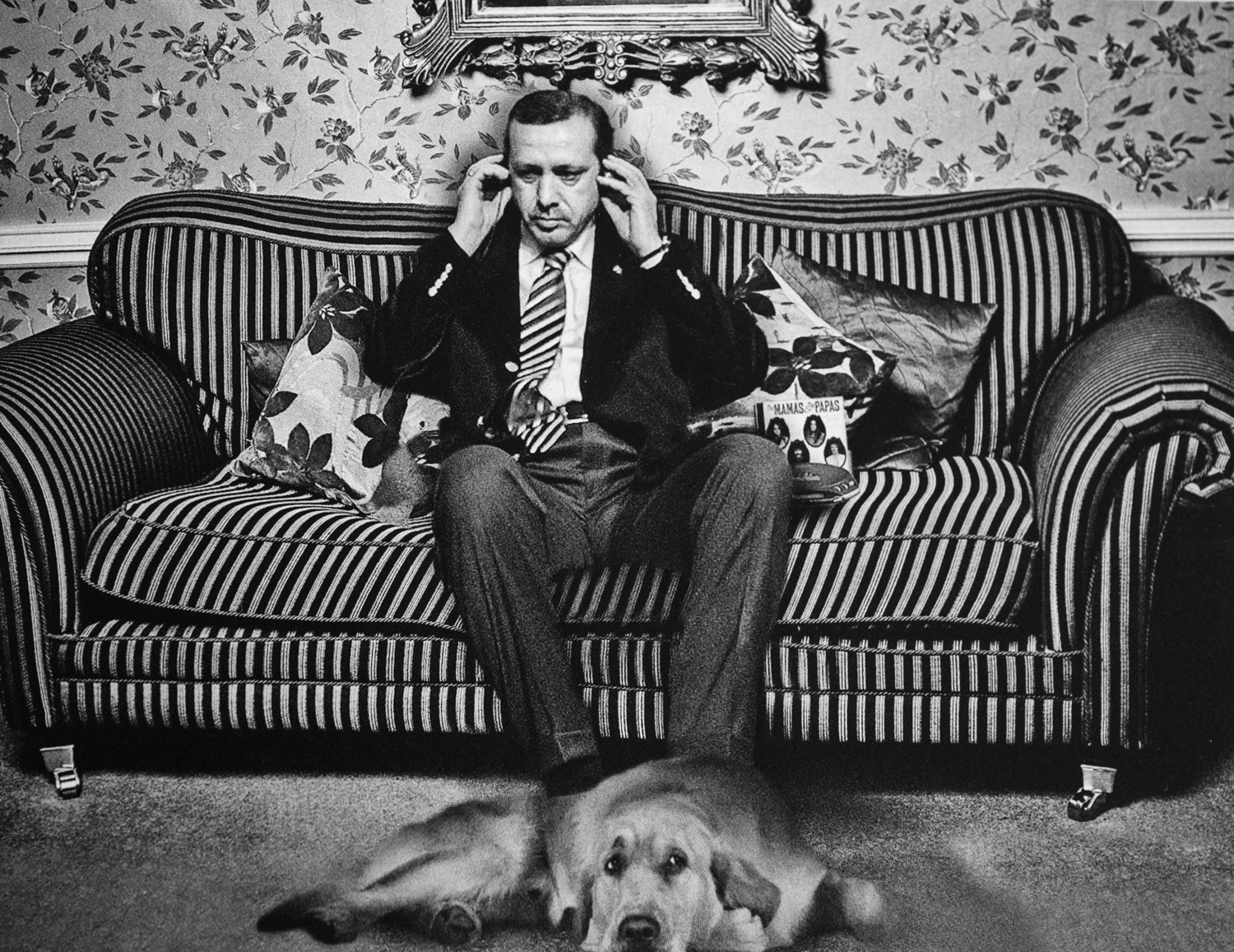
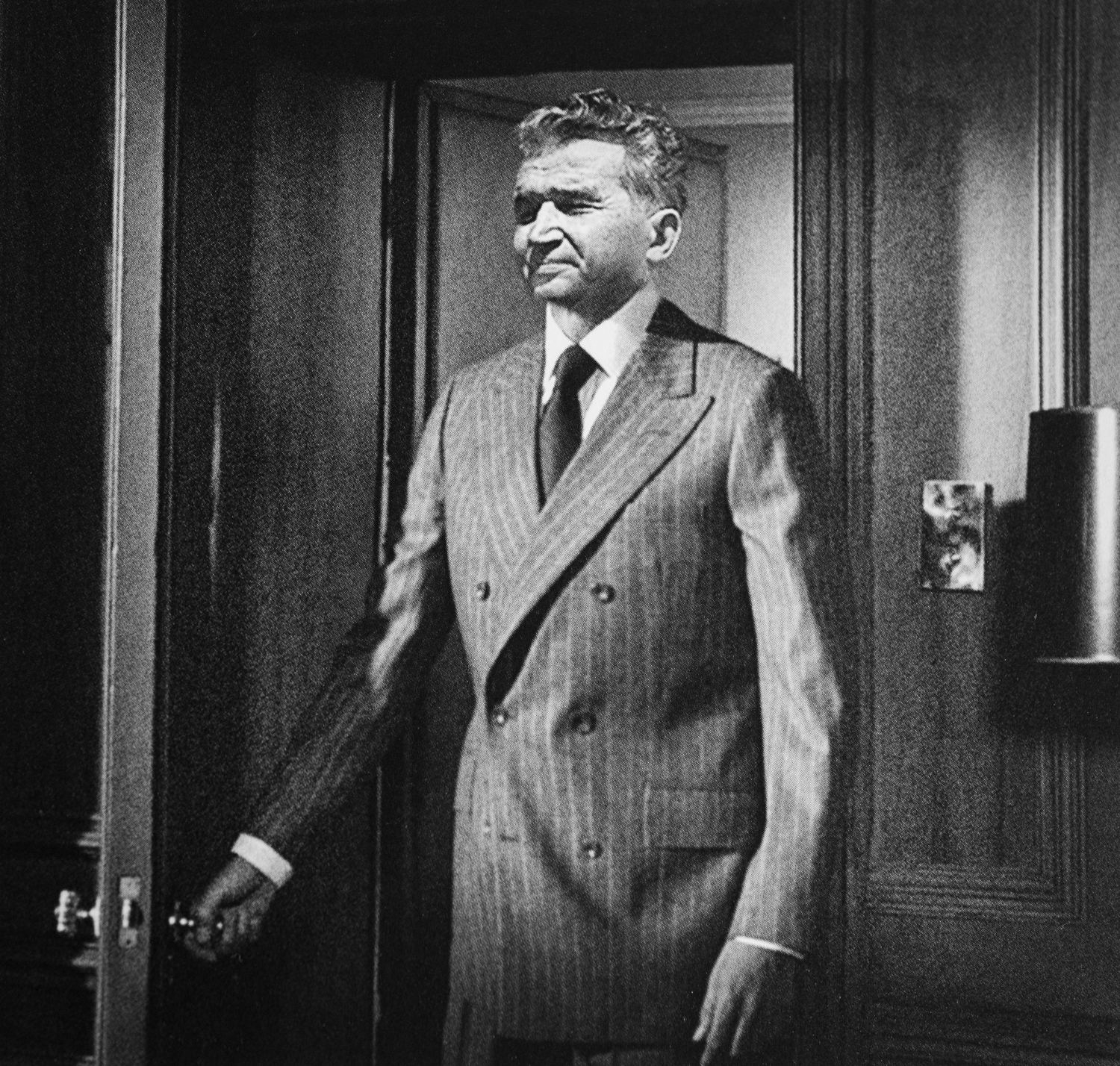
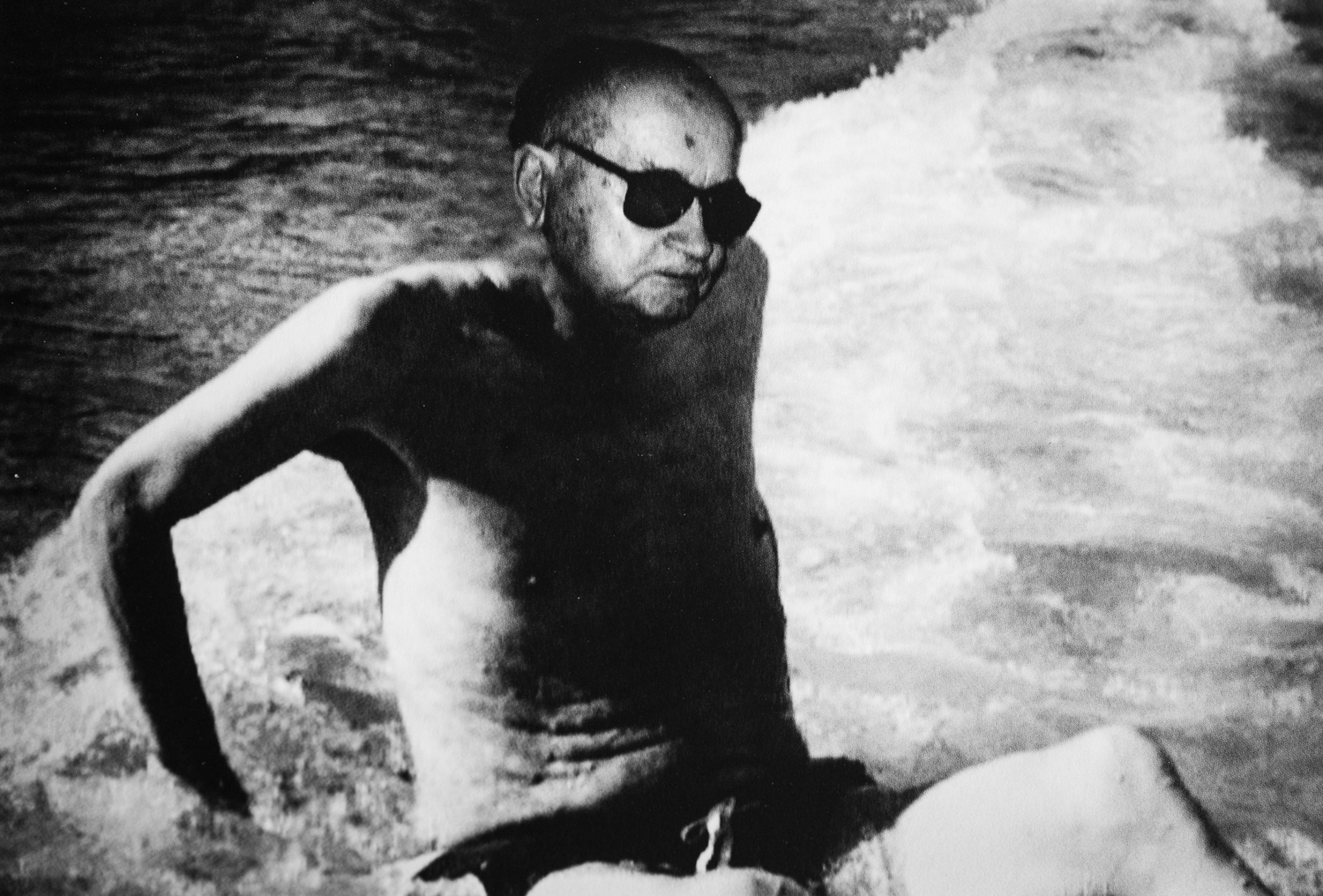
Tyrants, despots, autocrats. The great dictators of the twentieth century were there, as were those still cracking the whip. Men whose names are synonymous with crime, persecution, repression, police states, military regimes and censorship, men with whom Aalam had had to deal.
Strangely enough, although I could identify them, I could not recognise them. The Settings in which they were photographed were enough to disrupt the images I had formed of them: they did not look the same. Their bodies were no longer frozen in martial poses, no longer connoted strength, authority, the father, protection, absolute mastery of people and resources: on the contrary, they were stripped of their attributes and symbolised nothing. The images placed them outside history and outside propaganda, trapped in dead time. They wait, they think, their gazes are absent and their bodies slump.
They are caught up in everyday routine: preparing their morning Ricoré coffee, serving a glass of wine behind the counter of a cerveceria, walking in the forest with their foreheads bent downwards, waiting at the doctor's, driving a convertible, having soup with their cats, looking up at the ceiling. PRIVATT appeared to me, then, as a vast photographic reverse shot in which despots were rendered visible as ordinary men, both ridiculous and vulnerable, lit up by the unexpected intimacy of their private lives.
Aalam came over to tell the story. His voice narrated the images. It unfurled the writing on the labels and captions, dating, naming, locating and specifying the nature of what were not only photographs but also political documents, whether from family archives or stolen photos. A narrative took shape in my ear, a litany of oppressors, a rhapsody of satraps, a revealing tale of enigmatic anecdotes delivered in a nonchalant, vaguely jocular tone. Twenty-one photographs.
The experience continued when I entered the flat's kitchen. Silently, Aalam observed the people wandering around the room. The fridge door was covered in pictures, like a panel displaying odd bits of information about life in the house. I was puzzled: there was no trivial information on the fridge, but two other series of scattered and jumbled images. On the one hand, the tyrants, whose official photos I recognised, and, on the other, the source images used to assemble the PRIVATT photographs. In other words, the twenty-one photographs from the dining room were laid bare in the kitchen. They were the result of a montage of two images imported from the Internet and combined, two images available to the public. I noted that certain objects-the bottle of wine in Franco's hand, Mubarak's Vache qui rit-scattered around the kitchen like theatrical props or like the false evidence used by police states, intensified the impression of scheming and manipulation, the flat's kitchen a metaphor for the technical propaganda workshop, the place where lies are made.
PRIVATT and REVELAATT-the two series of source images displayed on the fridge-are playful devices that weave irony and political commitment together with panache, endeavouring to represent the mechanisms that produce impostures and falsifications of reality. Aalam probed the powers of image and sound, drawing on theatre and staging, various forms of narrative, the Internet and performance art. He turned these media on the dictatorships that make so much use of them and, in a way that reminds us that these regimes concern us individually, "in private",
, inviting us to decipher reality in a new way.
And that is precisely what I had in mind when I left the flat, my footsteps echoing in the November night.